Rabies: How to Protect Yourself

In this post, we discuss rabies, what it is, how it spreads, and how it can be prevented with pre-exposure vaccination and immediate post-exposure care.
About Rabies
What is Rabies?
Rabies is a virus that infects the central nervous system. It infects mammals and can be spread to humans. The World Health Organization estimates that 59,000 people die each year from rabies worldwide.
Rabies is considered extremely dangerous, but death is highly preventable with swift post-exposure care.
How Does it Spread?
Rabies spreads from infected animals to humans through saliva, usually through bites or scratches, but also from direct contact with eyes, mouth, or open wounds.
Rabies can make infected animals hyper-aggressive, increasing the likelihood that a rabid animal will attack and infect other animals or humans.
Animals Carrying Rabies
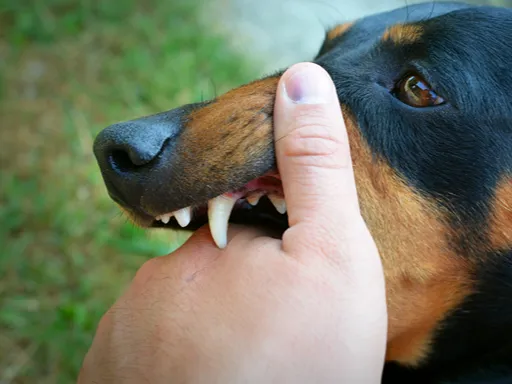
Rabies can infect almost any mammal. In Thailand, dogs are responsible for most rabies cases in humans, but other animals such as bats, cats, monkeys, and pigs can spread rabies as well.
In many western countries, bats are responsible for the majority of rabies cases, but animals like foxes, skunks, and racoons can also carry the disease.
Symptoms
Following exposure, the rabies virus travels through the nervous system until it reaches the brain. This is called the incubation period.
Incubation typically takes 2-3 months, but can vary greatly depending on where and how much of the virus entered the body. Once symptoms begin to occur, the incubation period is over.
The initial symptoms of rabies include fever, headache, pain, and tingling or burning at the wound site.
Once symptoms occur, rabies is fatal in nearly 100% of cases. As the virus spreads, symptoms get worse and eventually lead to death.
Advanced symptoms of rabies include:- Confusion & Anxiety
- Hallucinations
- Hydrophobia (fear of water)
- Excess Saliva
- Aggressive Behavior
Pre-Exposure Prophylaxis
What is it?
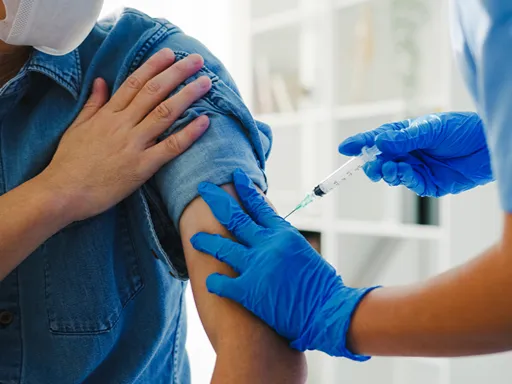
Rabies pre-exposure prophylaxis (PrEP) is a series of vaccine doses that provide protection against rabies before an exposure.
PrEP doesn't replace post-exposure treatment, but equips your body with pre-existing antibodies and reduces the treatment needed following an exposure.
Important: always seek medical care immediately if you've been exposed to rabies, even if you have previously been vaccinated.
Recommended For
Pre-exposure vaccination is recommended for people at risk of coming into contact with rabid animals such as:
- Tourists & Travelers
- People who live or travel in rural areas
- People who spend time outdoors
- People who work with animals
Vaccination at Our Clinic
Want to protect yourself or your loved ones from rabies? Book your first dose at Maenam Medical Clinic today.
We offer two kinds of rabies vaccines at our clinic. Both options are suitable for pre-exposure vaccination for people of all ages.

Post-Exposure Prophylaxis
What is it?

Rabies post-exposure prophylaxis (PEP) is the treatment given to a patient following possible exposure to rabies. It includes wound care, vaccination, and human rabies immunoglobin.
Immediate Action
If you may have been exposed to rabies, you should immediately:
- Rinse the affected area with water and soap or disinfectant for 15 minutes
- Note the time of exposure and details about the animal
- Seek immediate medical care at a clinic or hospital
Risk Assessment
Rabies cannot be diagnosed until the virus has reached the brain and the disease becomes fatal.
This means doctors must assess the risk of rabies infection based on how the exposure occurred, including:
- Type of contact with the animal (bite, scratch, licking, etc.)
- Location of the wound or affected area
- Species of the animal and vaccination status (if known)
- Time since exposure occurred
Doctors use this information to recommend the necessary post-exposure treatment.
Because untreated rabies is deadly, most doctors will recommend treatment even if the risk of exposure is low.
Rabies Immunoglobin
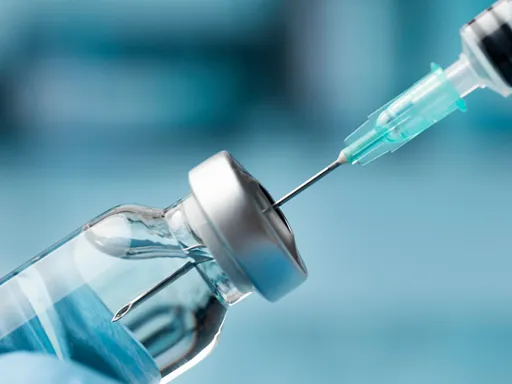
Human rabies immunoglobin (HRIG) provides immediate rabies antibodies, which protect you while your body produces its own antibodies in response to vaccination.
HRIG is administered immediately following exposure and is typically injected around the wound site.
HRIG is not needed if the risk of exposure is low or if you have previously been vaccinated against rabies.
Vaccination
For those who have previously been vaccinated against rabies, post-exposure vaccination is typically given in 2 doses.
For patients who have never been vaccinated against rabies, post-exposure vaccination is typically given in 4-5 doses, with HRIG being administered alongside the first dose.
In either case, rabies vaccination follows a schedule with time between doses.
Post-Exposure Care at Our Clinic
What We Offer
At Maenam Medical Clinic we provide comprehensive wound care and post-exposure treatment including:
- Wound cleaning
- Suturing
- Rabies risk assessment
- Human rabies immunoglobin
- Rabies vaccines
If you've been bitten or scratched by an animal, do not wait. Walk in or book an appointment today.